Epic Leh Ladakh Itinerary for 7 days

No intrusive ads, no sponsored content, just some affiliate links – if you use them, I get a small commission at no extra cost to you. As an Amazon Associate I earn from qualifying purchases. Please read the disclaimer for more information.
Wondering how to plan a Leh-Ladakh trip? How do you reach? When should you go? What about altitude sickness? Do you need a permit? What if certain roads are closed?
You’re not alone. Many travelers want to visit this stunning part of India but aren’t sure where to begin.
Ladakh is remote, high, and unlike most travel spots in India. But with the right information, it’s safe, simple to explore, and one of the most rewarding trips you’ll ever take.
I’ve visited Leh-Ladakh with my family and loved every bit of it.
But that’s also why I feel disappointed seeing travelers rushing through Ladakh in just 3 or 4 days or adding too many stops to the itinerary.
Ladakh isn’t a destination you tick off, so here’s a 7-day Leh Ladakh itinerary that is practical, updated, and easy to follow.
In this article, I’ll explain the exact route to follow, including which day to visit Nubra Valley, when to go to Pangong Lake, and what to do in Leh.
I’ll also provide you with tips on how to reach Leh, the best time to visit, what to pack, the dos and don’ts, and how to manage altitude sickness.
By the end of this guide, you’ll have everything you need to confidently plan your 7-day Ladakh trip, without missing anything important.
Ultimate Leh Ladakh Itinerary: Must-See Spots & Routes
Day 1: Arrive in Leh – Rest, Acclimatize, and Take It Slow
Your trip to Ladakh begins the moment you land at Kushok Bakula Rimpochee Airport, one of the highest airports in the world at 3,256 meters (10,682 ft).
The first thing you’ll notice is the crisp, dry mountain air, and you’re breathing a little heavier than usual. That’s normal. The key is to give your body time to adjust to the sudden change in altitude.
Spend the first half of the day inside your hotel room.
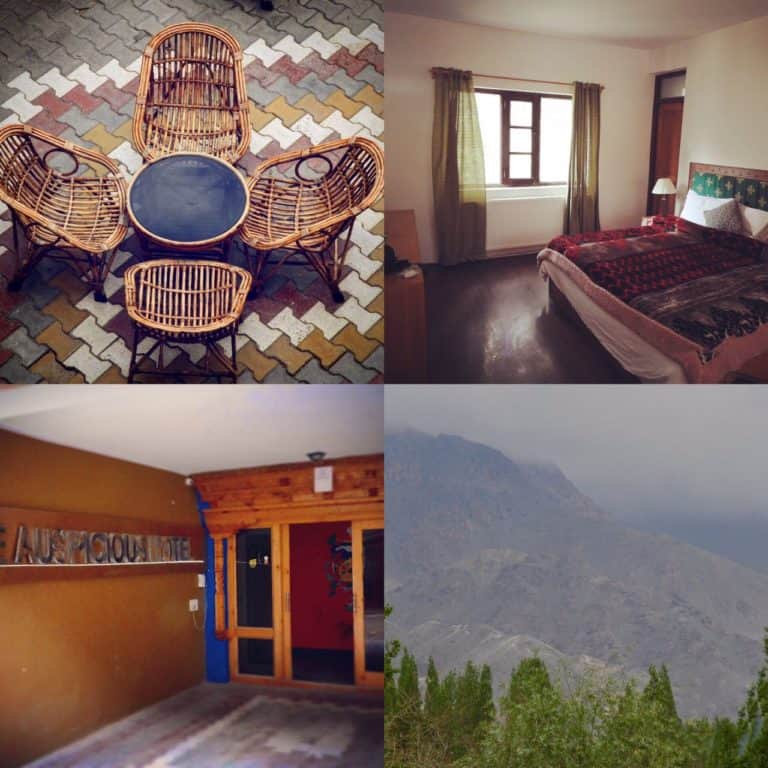
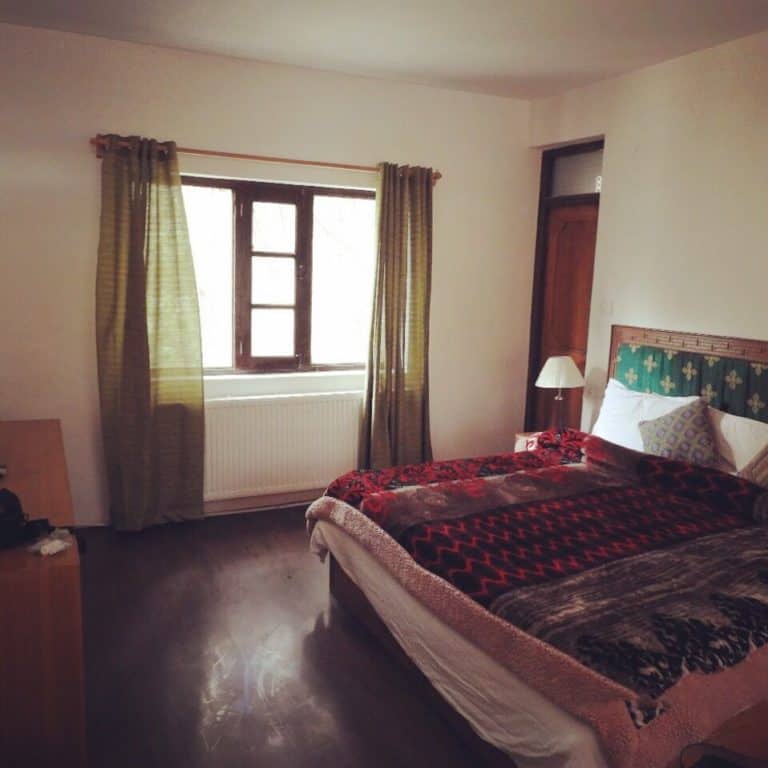
I had a great experience staying at The Auspicious Hotel , which is located in the center of all the tourist destinations, and gave us great service and an all-inclusive plan for all 7 days.
(You can read my full, honest review of Hotel Auspicious here.)
When you check into your hotel, keep movements minimal, eat light meals, and drink plenty of water to stay hydrated.
Do not consume alcohol and caffeine at any cost to continue this trip without any hiccups.
So, understand the importance of acclimatization and step out only in the second half of the day, and explore slowly.
Places to Visit (Post-Lunch or Late Afternoon)
Leh Market
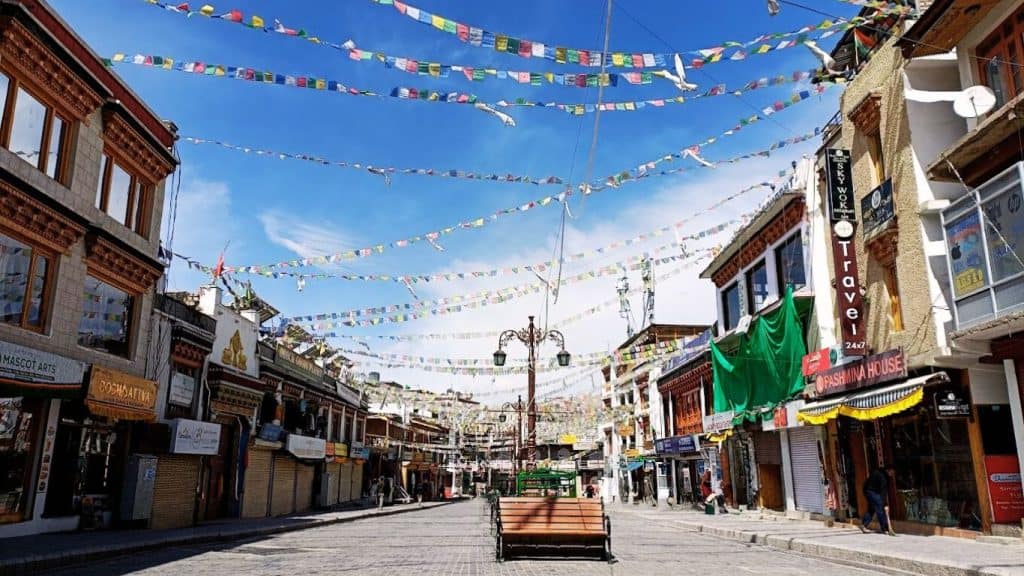
This is the main commercial area in town. The market is small, walkable, and filled with shops selling prayer flags, woollens, dried apricots, and Tibetan jewellery. There are local cafes, bakeries, and souvenir stalls where you can get a sense of the town’s rhythm. It’s also a good place to pick up a BSNL SIM card or small essentials you may have forgotten.
From there, head to the Shanti Stupa in Changspa.
Shanti Stupa
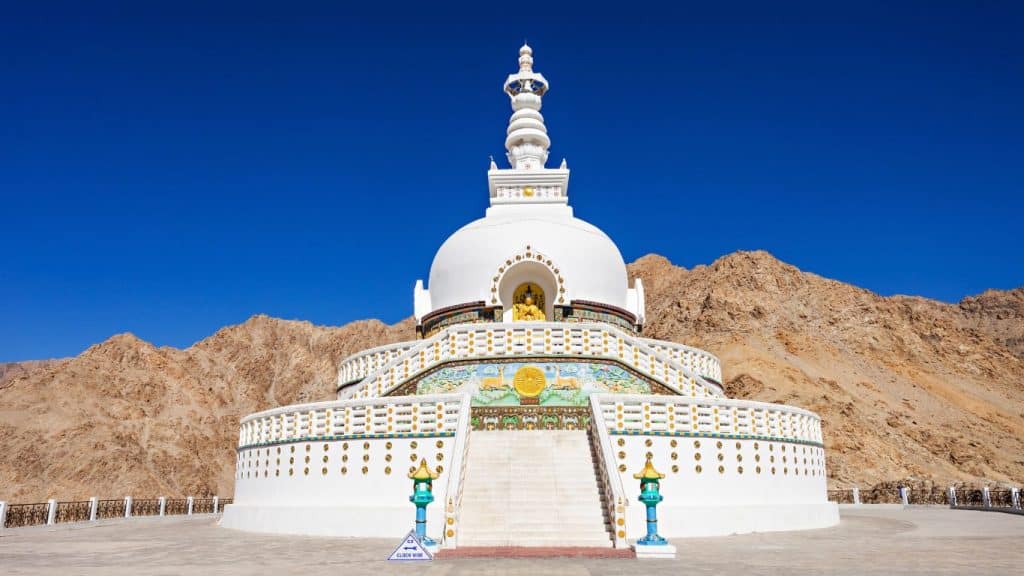
Shanti Stupa is located on a hilltop in Changspa, about 15 minutes from the main town. Its upper level offers panoramic views of Leh town, make sure to visit it during the sunset hour to get the best view of the town.
Entry: Free
Best time to visit: 5:00 PM to 7:00 PM (for sunset)
Time required: 30–45 minutes
I suggest you go back to the hotel and call it a day, but if you do have the energy to do something more, then do check out the Leh Main Chowk.
Leh Main Chowk
This chowk or central square is as lively as it can get at Leh. A slow walk here is your sneak peek into the nightlife of the locals.
Day 1 Travel Tip:
Do not push your body too much on the first day. If you feel even a mild headache or breathlessness, return to your hotel, lie down, and rest.
Day 2: Explore Leh – Monasteries, River Views, and Army History
Now that your body has had a full day to adjust to the altitude, Day 2 is your first proper sightseeing day around Leh.
Hall of Fame, Leh
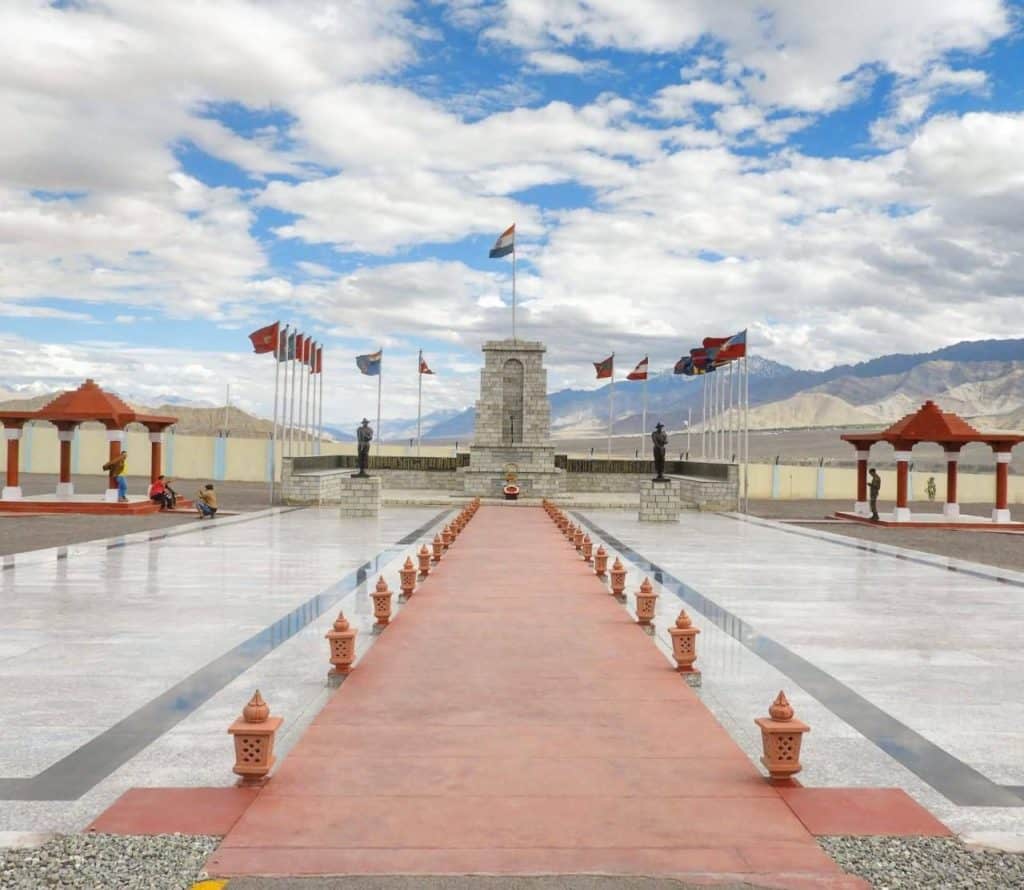
I find this Army-run museum to be one of the most important places to visit in Leh. Built in memory of Indian soldiers who served and died in Ladakh and Siachen, the museum showcases real war gear, photos, and stories of bravery.
An entire section is dedicated to the challenges soldiers face in freezing temperatures at high altitudes. It also has a small section on Ladakhi life and a souvenir shop.
I highly recommend visiting this museum, which is so well-maintained and deeply moving.
Most tourist guides typically allocate 45 minutes to this museum. But I must have easily spent at least 1.5 hours here.
Entry: ₹100
Timings: 9:00 AM – 1:00 PM and 2:00 PM – 7:00 PM (Closed on Mondays)
Time required: 1 hour
Spituk Monastery

Start early and drive to the Spituk Monastery, just an 8 km drive from Leh. It is one of the oldest gompa in Ladakh and overlooks the Indus Valley. You will find huge Buddhist scrolls here and a striking statue of the Goddess Kali inside. Be ready to climb a few steps, but the view is absolutely worth it!
I particularly love this monastery for its airport views. It is rare to be able to see planes taking off and landing straight in front of your eyes, with beautiful mountains surrounding the tiny runway strip. Spend some time watching the planes from the monastery. But do not click pictures and videos as it can amount to serious security breaches.
Entry: ₹30
Timings: 7:00 AM – 1:00 PM and 2:00 PM – 6:00 PM
Time required: 30–45 minutes
Magnetic Hill
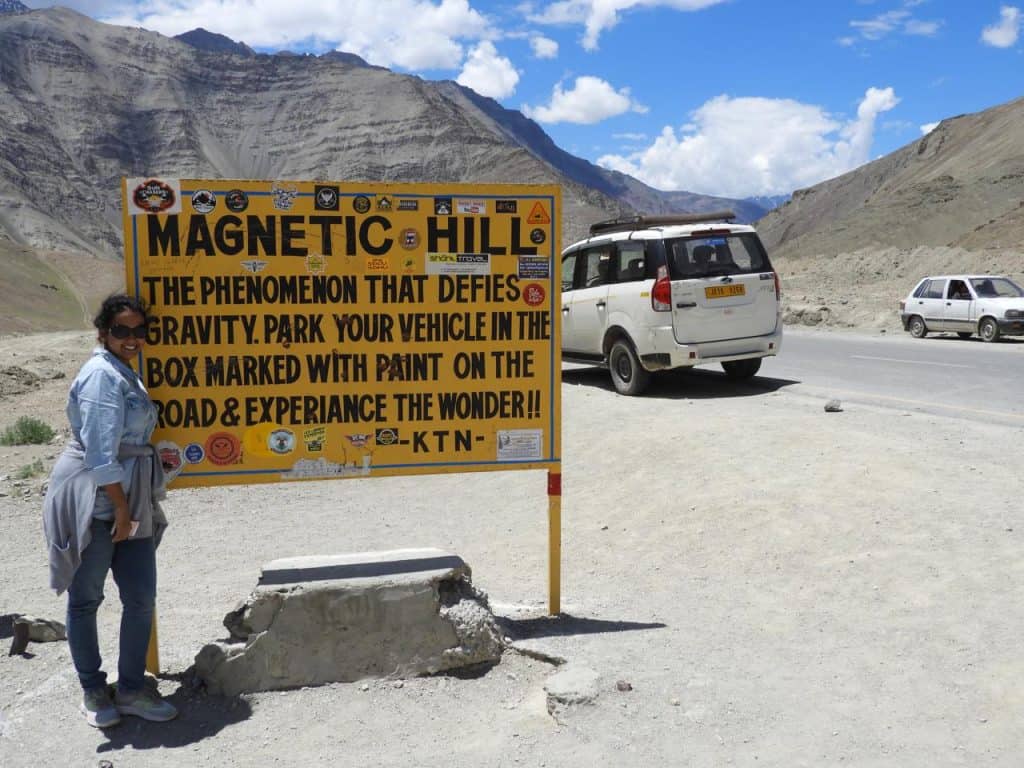
Then drive for about 30 minutes from Leh to the Magnetic Hill. It is a famous stop on the Srinagar–Leh highway.
Here, even if you park your car, turn off the engine, and keep it in neutral gear, the car automatically starts moving uphill, defying gravity without any effort on the driver’s part. This happens due to an unusual magnetic force from the hills.
Regardless of how crowded the place is during the day, stop in the marked area to experience this gravity-defying attraction.
Entry: Free
Timings: Open all day
Time required: 5 minutes
Gurudwara Pathar Sahib
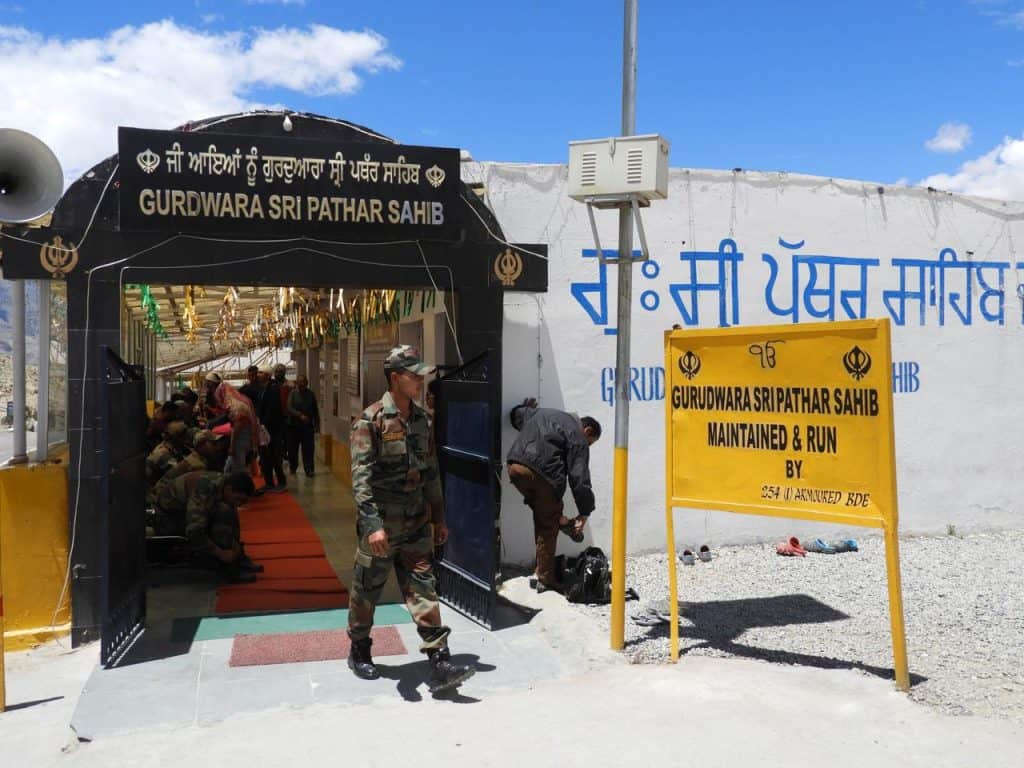
While you’re heading towards Magnetic Hill and Sangam, stop at Gurudwara Sri Pathar Sahib, it’s right on the route and worth a visit. This gurudwara is of great significance to the Sikh community, as it’s believed that Guru Nanak Dev Ji meditated here.
Even if you’re not a practising Sikh, go for the peace and calm you feel; it’s unlike anything else in Ladakh. It’s also rare to see a gurudwara run by the Indian Army, and that in itself makes it a must-visit.
Entry: Free
Timings: 6:00 AM – 7:00 PM
Time required: 20–30 minutes
Sangam Viewpoint (Indus-Zanskar Confluence)
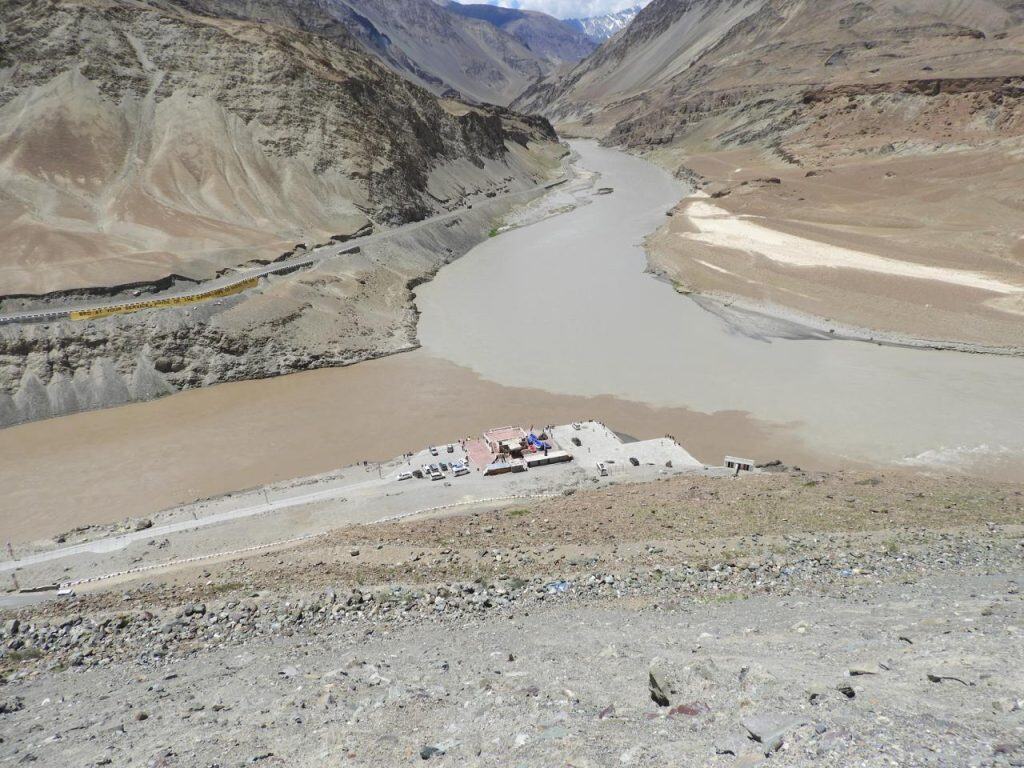
10 km from the Gurudwara is the Sangam Viewpoint. This is the meeting point of two major rivers—Zanskar and Indus. On most summer days, you can see the difference in their colors as they merge, making it a must-visit spot.
The viewpoint is easy to access and a great photo stop. During summer months, river rafting is popular here, but even in spring, the scenery is worth the stop. It is elevated and safe for families, with plenty of space for parking and short walks.
Entry: Free
Timings: Open all day
Time required: 20 minutes
If you have time and the season is right, this is also where you can try some optional adventure activities.
Kayaking on Zanskar River
Between June and September, kayaking is available in the calmer stretches of the Zanskar near Sangam. It’s beginner-friendly and run by certified operators. You can ask your hotel or travel coordinator to include this in your plan.
- Duration: 30–45 minutes
- Cost: ₹1,000–₹1,500 per person
- Safety gear is provided
Bungee Jumping (Optional)
Ladakh also now offers India’s highest bungee jump, located near Sangam. It’s operated by trained professionals and follows international safety standards. If you’re looking to add some adrenaline to your trip, this is something worth considering. The jump is over the Zanskar River and offers epic views mid-fall.
- Location: Near Sangam
- Height: Over 190 ft
- Season: Typically open May to September
- Pre-booking advised
Wrap up the day by heading back to your hotel. If you have energy left, explore Leh Market again or have dinner at one of the rooftop cafés. Keep dinner light and stay hydrated.
Day 2 Travel Tip:
Wear layers, carry water, and keep snacks handy. Start your day around 8:00 AM so you can visit each place without rushing. Mobile signal is available at all stops.
Day 3: Leh to Nubra Valley via Khardung La Pass
Day 3, leave Leh and head north toward the Nubra Valley, one of Ladakh’s most unique landscapes. The route takes you across Khardung La Pass, which sits at 5,359 meters and is one of the highest motorable roads in the world.
Depart Leh by 7:00 AM to make the most of your day and avoid traffic at the pass. Instruct the driver to drive slowly and steadily and take breaks at intervals, because the air keeps getting thinner as you move upwards.
Khardung La Pass (en route)
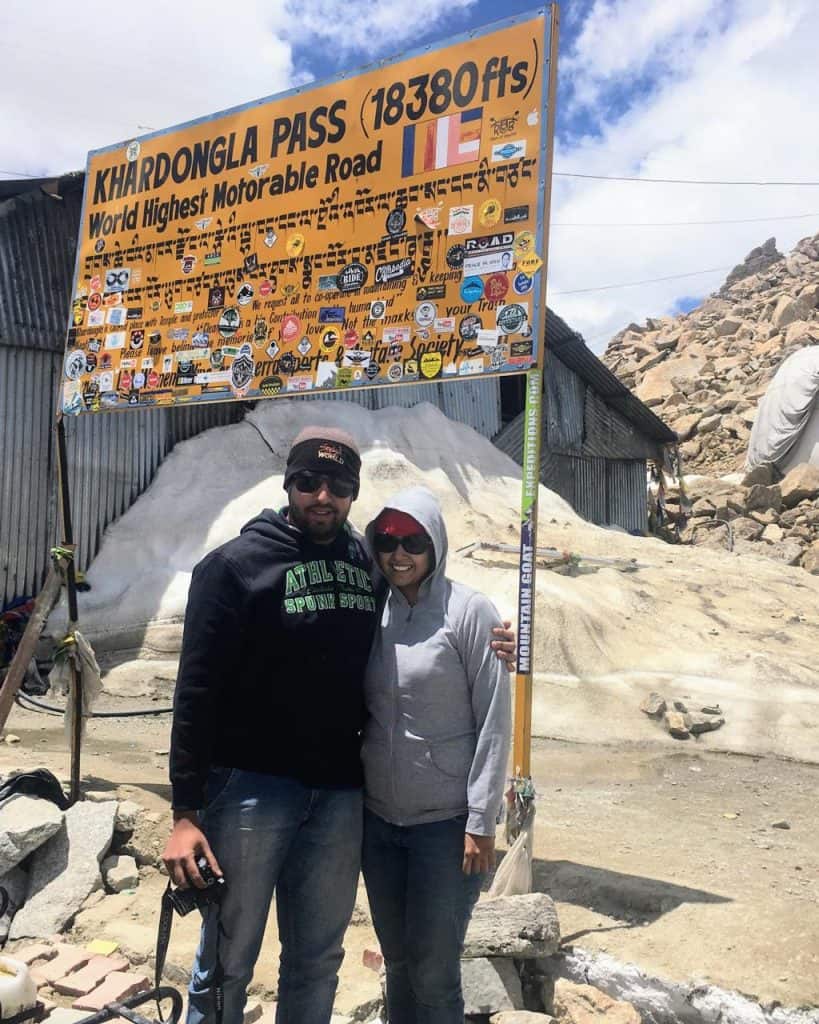
Khardung La is one of the highest motorable roads in the world. Stop by at the top where there’s a small temple, a café run by the Indian Army, and plenty of colorful prayer flags fluttering in the wind.
The views are wide and unforgettable, but due to the low oxygen, you should not stay here longer than 15–20 minutes.
Entry: Free
Timings: Open from 9:00 AM to 5:00 PM (seasonal, check road conditions)
Time required: 15–20 minutes
After the pass, you’ll descend into Nubra Valley. The roads are narrow but scenic, passing through small villages and river valleys.
Diskit Monastery
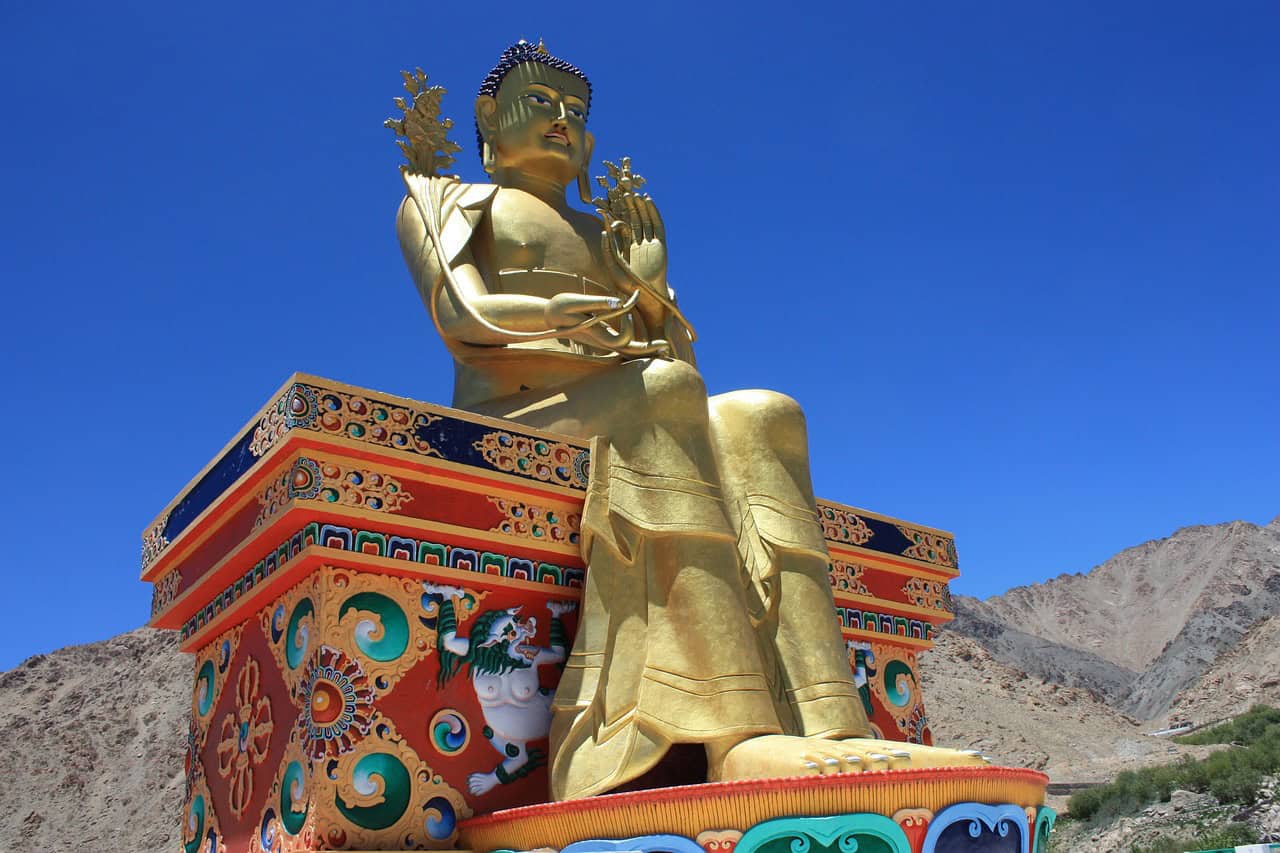
You can then head to Hunder to the Diskit Monastery, which is the largest and oldest monastery in Nubra Valley. It is home to a 106-foot-tall statue of Maitreya Buddha that overlooks the entire valley. Pause for a while at the monastery courtyard, where you get panoramic views of the Shyok River and the surrounding snow-capped mountains.
Entry: ₹30
Timings: 7:00 AM – 1:00 PM and 2:00 PM – 7:00 PM
Time required: 45 minutes
Hunder Sand Dunes
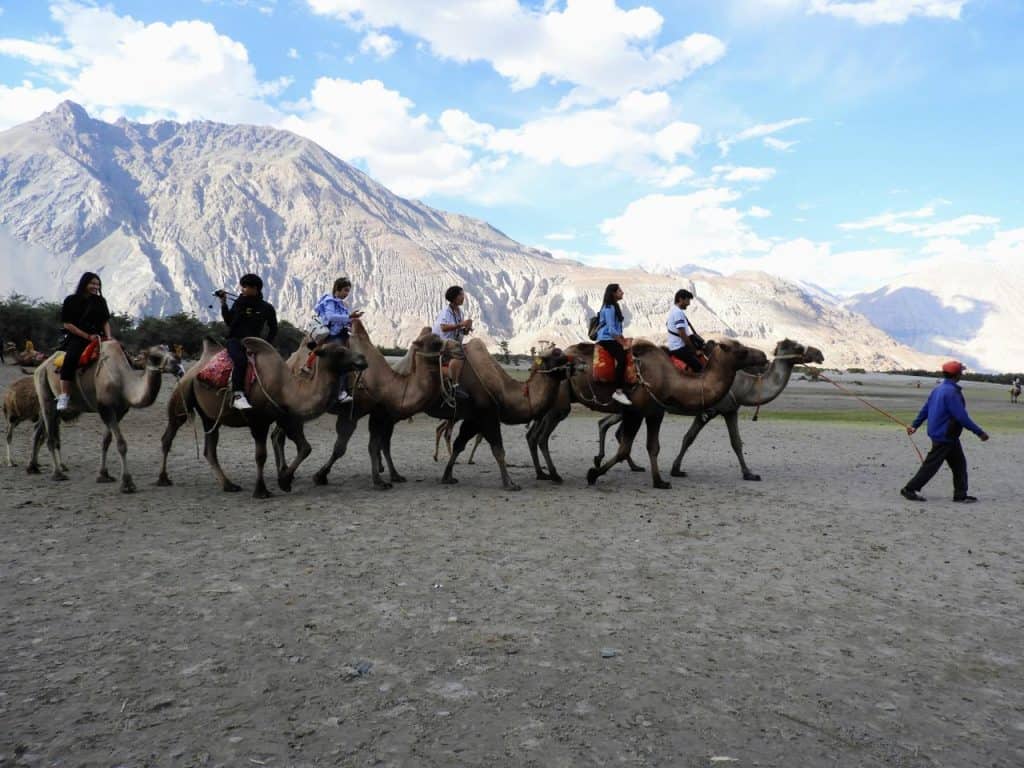
Just a short drive from Diskit, the Hunder Sand Dunes offer something you won’t expect in a place like Ladakh, a high-altitude desert with sand dunes and Bactrian camels (two-humped camels).
You can take a short camel ride across the dunes or simply enjoy the surreal views of sand, snow, and stream all in one frame.
Personal insight – I rode on one of the double humped camels. But within a few minutes regretted my decision. The camels looked overworked and commercially exploited.
Camel ride cost: Approx. ₹400–₹600 for 10–15 minutes
Timings: 9:00 AM – 6:00 PM
Time required: 30–45 minutes
End the day by checking in at your camp or guesthouse in Hunder. Nights in Nubra are warmer than in Leh, as Nubra is at a lower altitude than Leh. But because you need to stay in tents, the heating facilities are less effective. So layer your clothes to sleep comfortably.
I stayed in a cozy cottage at the Nubra Leisure Camp. I loved it for its beautiful riverside location, sumptuous food, and excellent hospitality.
Day 3 Travel Tip:
Carry dry snacks, motion sickness tablets, and water for the journey. ATMs and mobile networks are limited in Nubra, so withdraw cash and inform loved ones before leaving Leh. Make sure your car is equipped with an oxygen cylinder.
Now, if you wish to extend your trip to 8 days, then head to the Turtuk Village from Hunder on Day 4 and to Pangong Lake on Day 5.
Bonus Option: Visit Turtuk Village
Turtuk, the last village before the Pakistan border, and was opened to tourists only in 2010.
It’s part of the Baltistan region and known for its apricot orchards, stone houses, and cultural uniqueness. The drive from Hunder to Turtuk is scenic and less crowded.
Distance: ~90 km from Hunder (takes 3 hours one way)
Best for: Offbeat travelers, photographers, cultural explorers
Day 4: Nubra Valley to Pangong Lake (via Shayok)
This day depends entirely on road conditions. If the road is closed due to snow or landslides common in early-season months like April, you’ll return to Leh and head to Pangong the next day.
Both routes are stunning. But they require an early start, so leave your accommodation in Hunder or Diskit no later than 7:30 AM.
Nubra to Pangong via Shayok Route
This is the more direct and time-saving option. The road follows the Shyok River and connects to Pangong via Durbuk and Tangtse. While the route is extremely scenic, it’s also remote. There are long patches without a mobile network or food stalls, so carry water and snacks.
Drive time: 6–7 hours
Distance: Approx. 200 km
Road condition: Narrow, rocky in parts, and seasonally risky
Once you arrive at Pangong, be ready to be stunned by the amazing view before you head straight to your camp. The weather gets colder here, especially after sunset.
Absolutely! Here’s the improved version with shorter, punchier sentences and clean grammar:
Spend the evening walking by the lake and soaking in the silence. If you’re a movie buff, this is where 3 Idiots was shot. You can even rent props like the iconic yellow scooter, helmet, and the “3 Idiots” seat to recreate that famous final scene.
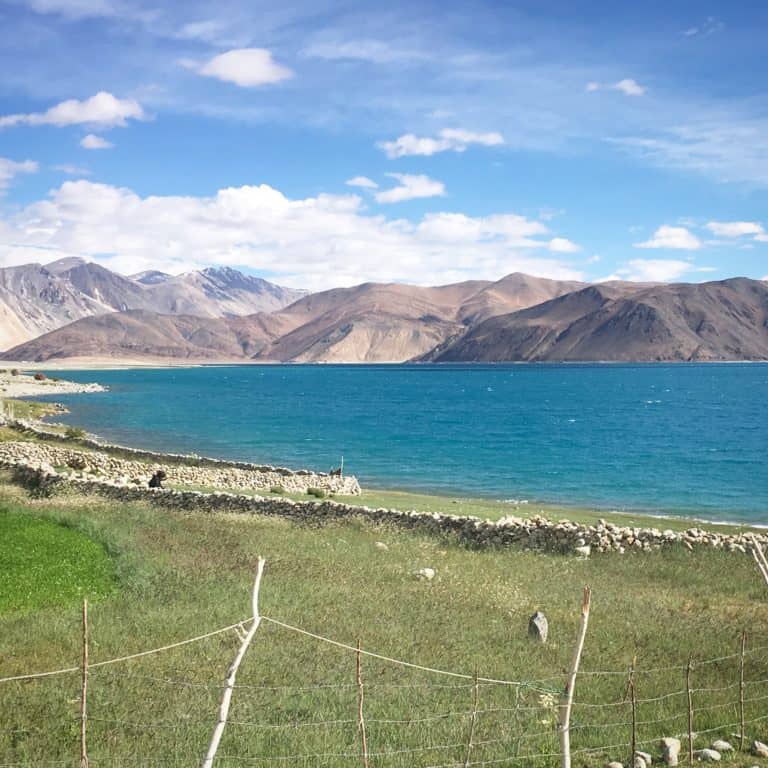
Pangong Lake (Pangong Tso)
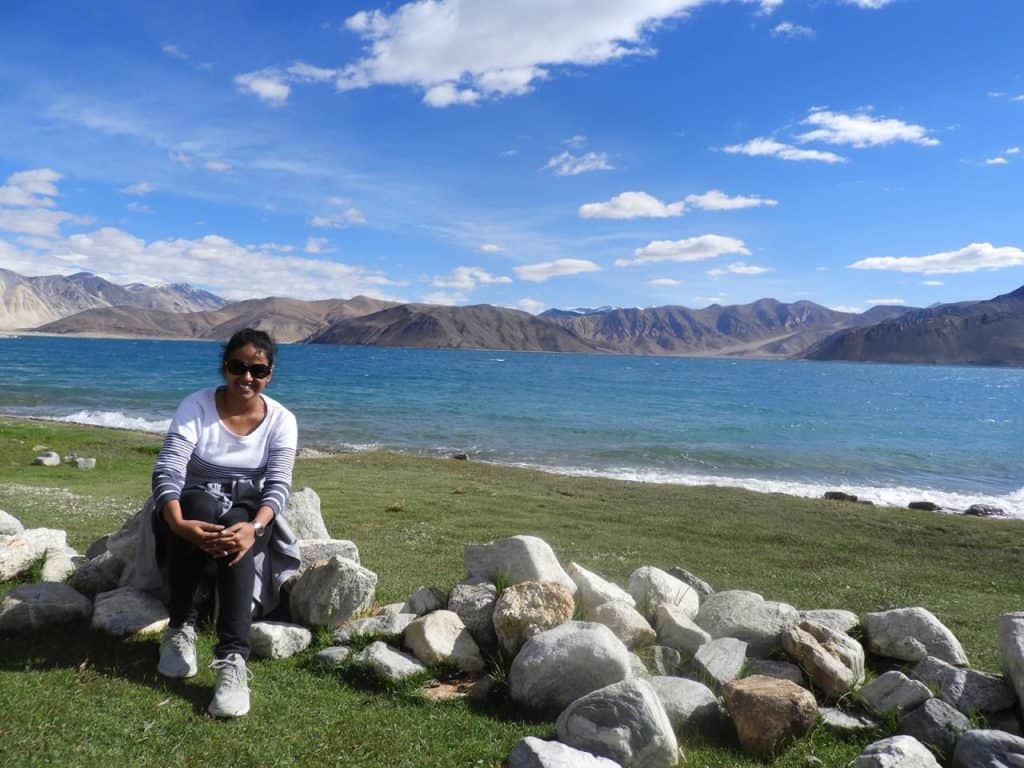
This place is unreal!
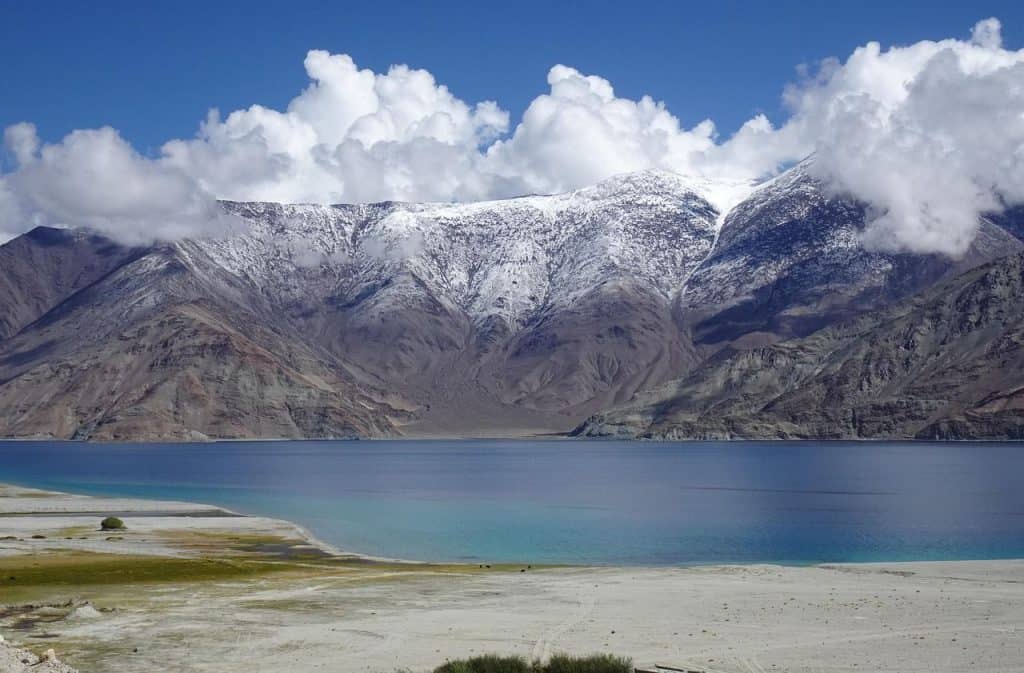
Pangong Lake is one of Ladakh’s most iconic spots, and no Leh Ladakh itinerary is complete without the famous Pangong Tso.
No boating is allowed, and swimming is unsafe due to freezing temperatures. But just being there is a visual treat. Many travelers recognize it as the lake featured in Bollywood films like 3 Idiots, but its natural beauty is far beyond what any photo can capture.
Entry: ₹20 (local council fee)
Timings: Open all day
Time required: Stay overnight
Day 4 Travel Tip:
Confirm the road status from your hotel manager or local driver the evening before. Fuel up, stock snacks, and dress in layers. Nights at Pangong are freezing, so pack gloves and thermal wear in your day bag.
Day 5: Pangong to Leh via Chang La + Hemis Monastery
If you stayed overnight at Pangong Lake, today you’ll head back 220+ kms to Leh via Chang La Pass. It’s a long but beautiful drive, with high-altitude views, frozen streams, and stretches of pure silence. You’ll descend back into the Leh Valley by afternoon, and since you’re already in that direction, it makes perfect sense to stop at Hemis Monastery on the way back.
Chang La Pass
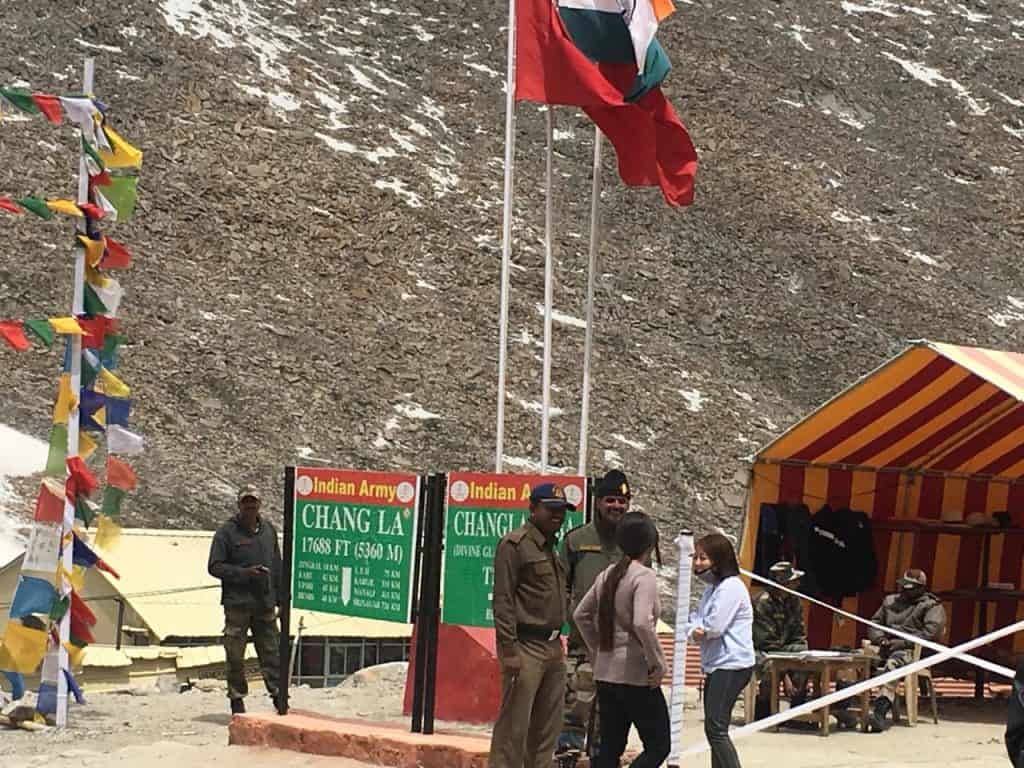
Chang La, meaning “Pass of the South,” is situated at 5,360 meters. The winding ascent is lined with prayer flags and views of snow-covered slopes. At the top, there’s a small army-run tea stall serving hot drinks, and a temple dedicated to Changla Baba, the pass’s guardian deity. Oxygen levels are low here, so take short breaks only.
Entry: Free
Timings: Road open between 7:00 AM – 4:00 PM (check conditions in April)
Time required: 10–15 minutes
Hemis Monastery
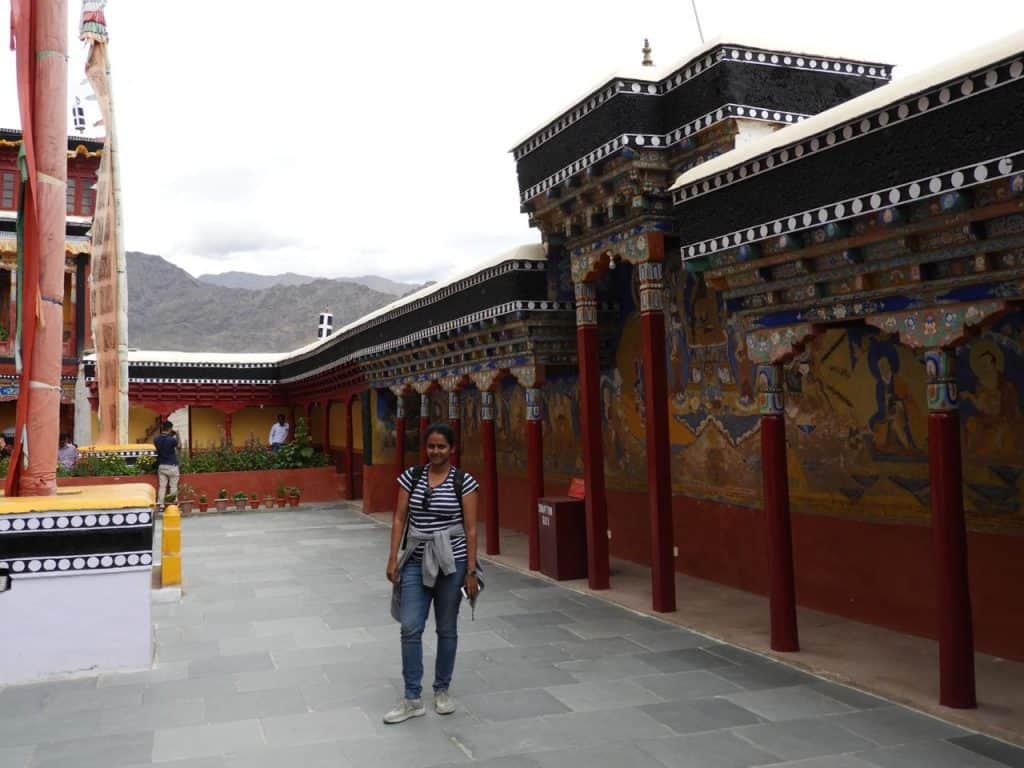
Hemis is one of those places that surprises you. It’s hidden deep inside a valley, far from the road, so it feels quieter and more removed than the other monasteries.
But it’s the largest and wealthiest monastery in Ladakh. If you’re lucky to visit in June or July, you might catch the famous Hemis Festival, a riot of masks, drums, and dance.
Inside the monastery, you’ll find a beautiful main prayer hall, old thankas (scroll paintings), and statues of Guru Padmasambhava. There’s also a museum inside the complex that’s worth checking out.
Timings: 8 AM to 1 PM and 2 PM to 6 PM
Time required: 45 minutes to 1 hour
Day 5 Tip: Layer your clothing for changing temperatures, especially around Chang La. Once you’re back in Leh, by 7 pm at the most, the rest of the evening is yours to relax. Sleep early to start the next day early.
Day 6: Shey, Thiksey & Rancho’s School
This is a slower-paced day, and perfect for those final cultural stops around Leh. These spots are all on the same route; just a 20–30 minute drive from town, and can be done comfortably till evening.
Shey Palace
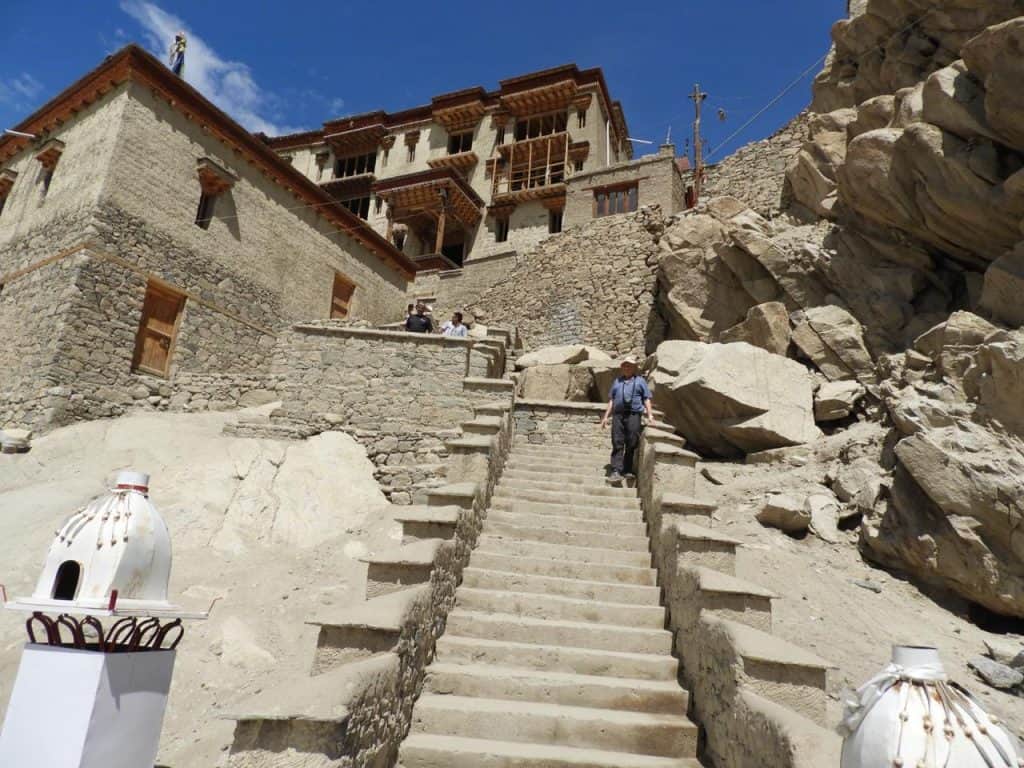
Once the summer home of Ladakh’s kings, Shey Palace is now a peaceful ruin with stunning valley views. The highlight here is a 12-meter-high copper-gold statue of Buddha inside the gompa, and the surrounding fields with rows of white chortens.
Best time to visit: Before 11:00 AM (for soft light)
Time required: 30 minutes
Entry fee: ₹30
Thiksey Monastery
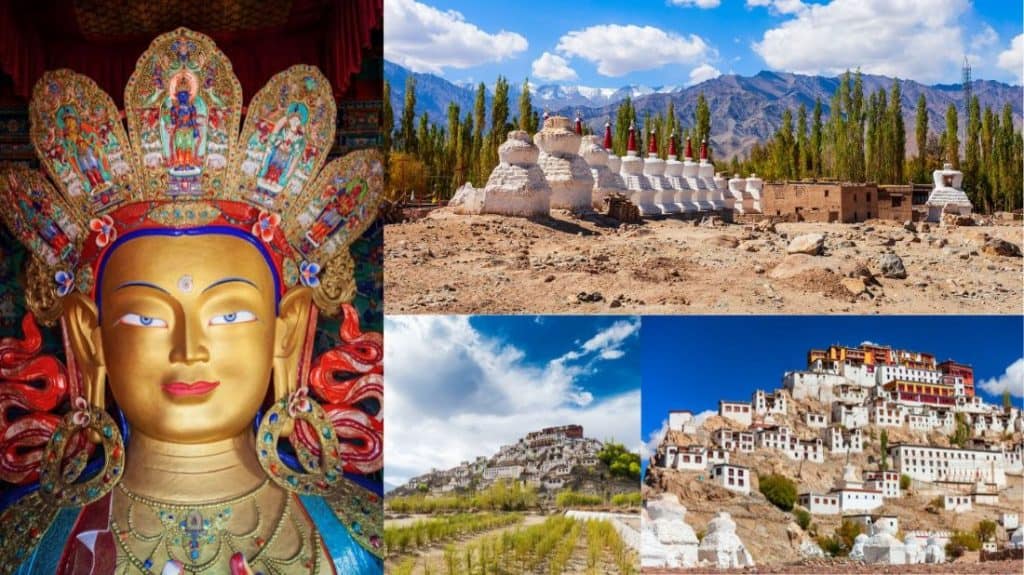
Next up is Thiksey, one of the most photographed monasteries in Ladakh. It’s built in levels on a hill and is often compared to the Potala Palace in Tibet. The main attraction is the 15-meter statue of Maitreya Buddha, seated in a two-storey hall with a golden crown and peaceful smile. You’ll also see monks in prayer, lots of detailed murals, and panoramic views from the rooftop.
Best time to visit: 8:00 AM – 10:00 AM or 3:00 PM – 5:00 PM
Time required: 45 minutes to 1 hour
Druk Padma Karpo School (Rancho’s School / 3 Idiots School)
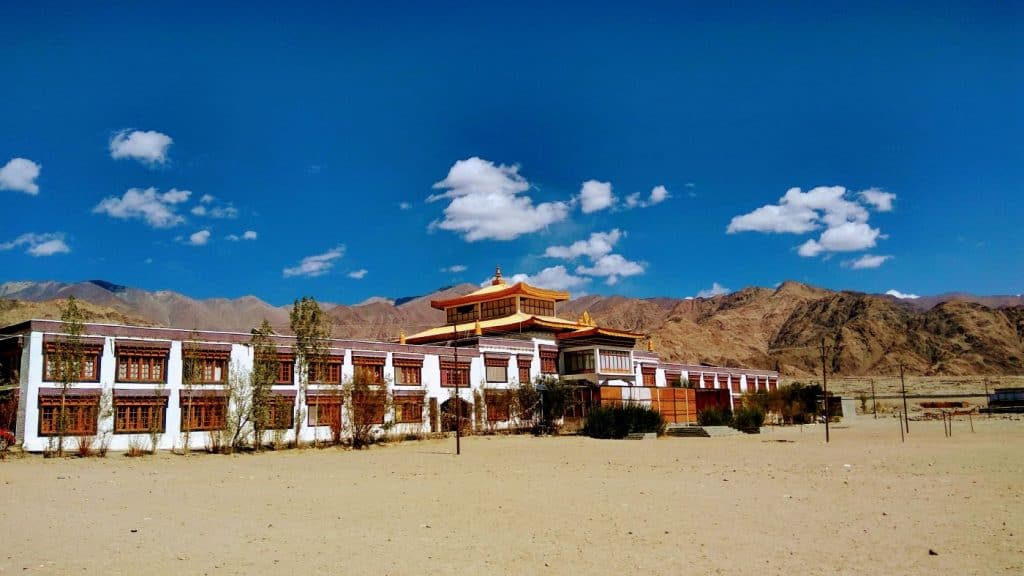
Have a lunch break and then reach the famous Rancho’s School from 3 Idiots, which is located in Shey itself. It’s a school doing amazing work in education and sustainability. There’s a small visitor zone and a café inside the campus. You’re allowed to walk around certain parts, read about the school’s journey, and yes, take a photo at Rancho’s Wall.
Best time to visit: 9:00 AM – 12:00 PM or 3:00 PM – 5:00 PM (avoid lunch hours)
Time required: 30 minutes
Entry fee: ₹30
Leh Palace
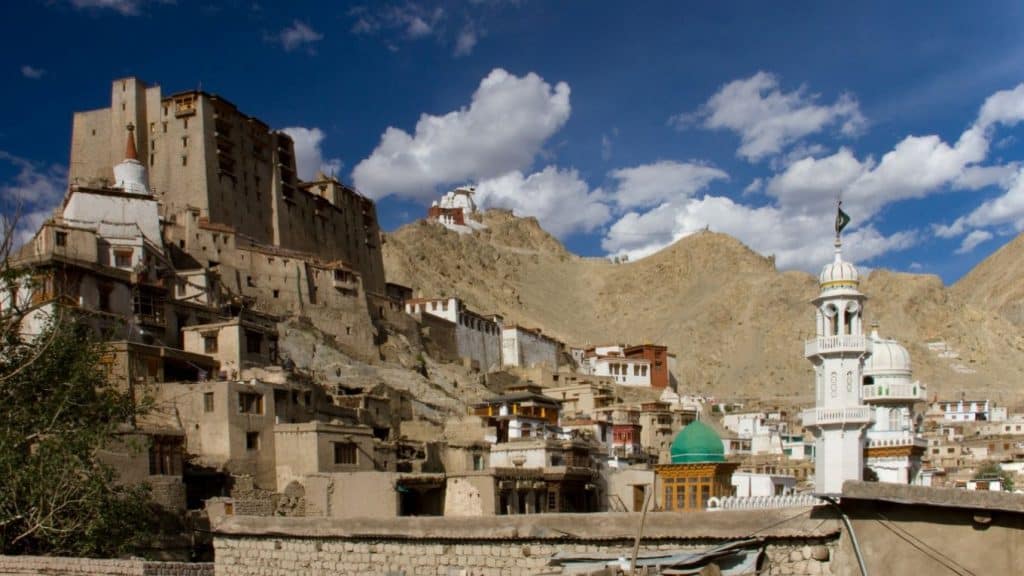
Leh Palace is a 17th-century structure that was once the royal residence of Ladakh’s Namgyal dynasty. Its nine-storey design resembles the Potala Palace in Lhasa. Though partially in ruins, the top floors offer panoramic views of Leh town and the Zanskar range. Inside, you’ll find old murals, photographs, and wooden architecture that reflects Ladakhi tradition.
Entry: ₹25
Timings: 7:00 AM – 4:00 PM
Time required: 30–45 minutes
Namgyal Tsemo Monastery
Located just above Leh Palace, Namgyal Tsemo Gompa was built in the 15th century and houses a stunning 3-storey high statue of Maitreya Buddha. The monastery complex includes ancient frescoes, script manuscripts, and a quiet prayer hall. Its hilltop setting also makes it a brilliant sunrise or sunset viewpoint over the entire Leh valley.
Evening in Leh Market
After your monastery trail, spend your last evening in Leh Market. Shop for prayer flags, dried apricots, woollens, or last-minute souvenirs. It’s also the perfect time to sit at a café, journal your trip, and enjoy one last bowl of thukpa or plate of momos.
Day 6 Travel Tip:
This is your last full day in Ladakh. Make sure you’ve packed all your essentials and completed any pending shopping or errands. Avoid any long road travel to keep your energy steady for your return.
Day 7: Leh Market, Palace, or Turtuk Village
If your flight is later in the day or you’re staying an extra night, you can explore any spots you missed earlier. This is also your final chance to shop, take photos, and revisit some of Leh’s most iconic locations.
Leh Palace
If you haven’t been there yet, start your morning with a short visit to this 17th-century palace.
Leh Market
Walk through the main bazaar for last-minute shopping. Stores open by 9:00 AM and sell:
- Pashmina shawls
- Prayer wheels and flags
- Dry apricots, sea buckthorn juice
- Silver and turquoise jewellery
Hall of Fame
If you couldn’t visit on Day 2 and it was a Monday (when it’s closed), you can now visit the Hall of Fame Museum before your flight. It opens early and takes about an hour.
Day 7 Travel Tip:
Avoid rushing. Ladakh flights often face delays due to weather, but check-in closes 60 minutes before departure. Dress in warm layers for the airport, as waiting areas can get chilly early in the morning.
How to Travel to Leh-Ladakh
By Air – The Fastest and Most Reliable Way
The most convenient way to reach Ladakh is by flying into Leh. It is one of the highest airports in the world and is connected to major Indian cities.
Direct Flights to Leh Operate Daily From:
- Delhi (DEL) – Multiple flights daily (Air India, IndiGo, Vistara, Akasa Air, SpiceJet)
- Mumbai (BOM) – Direct flights (IndiGo, Vistara, Air India)
- Chandigarh (IXC) – Seasonal flights (IndiGo)
- Srinagar (SXR) – Short 1-hour flights, ideal if combining with Kashmir
- Jammu (IXJ) – Limited seasonal flights
- Bengaluru (BLR) and Hyderabad (HYD) – Direct flights available during peak season (May to Sept), mostly early morning departures
By Road – For Experienced or Returning Travelers
Ladakh is accessible by road only between mid-May and mid-October, when the mountain passes are open. If you want to travel by road, you have two major routes:
1. Manali to Leh Highway (470 km)
- Opens in late May
- Route: Manali – Rohtang Pass – Sarchu – Tanglang La – Leh
- Takes 2 days with an overnight halt at Sarchu or Jispa
- Best for: Adventure seekers and those who want to acclimate slowly
2. Srinagar to Leh Highway (420 km)
- Opens in early to mid-May
- Route: Srinagar – Sonamarg – Zoji La – Kargil – Leh
- Takes 2 days with an overnight halt at Kargil
- The road is wider and safer compared to the Manali route
- Best for: Those who want a smoother ride or wish to explore Kashmir and Ladakh in one trip
Important: Roads are prone to landslides in early and late seasons. Always check BRO (Border Roads Organisation) updates before planning.
From any of these stations, you’ll need to hire a cab or take a bus to reach Leh, which can take 2–3 days depending on the route. This option is not recommended for short trips.
Where to stay?
- Stay in Old Leh for easy access to the market, cafés, and nearby attractions.
- Choose accommodations that include breakfast and dinner—most hotels in Leh offer this.
- Confirm internal transportation (Leh–Nubra–Pangong–Leh) with your hotel or travel agent in advance.
- Book Nubra and Pangong stays together through the same team to avoid dealing with multiple vendors.
- Ask the hotel to help include kayaking in Zanskar or a visit to Turtuk (close to Hunder) if you want to extend your itinerary.
- Having one point of contact for your entire trip makes logistics much easier.
What to Eat in Leh-Ladakh
- Most hotels provide breakfast and dinner, which is convenient after long travel days.
- You’ll need to arrange lunch on your own while you’re out sightseeing or on the road.
- Leh has plenty of cafés and local eateries—Gesmo Restaurant is a great place for hearty meals. I particularly loved their Yak cheese pizza and the traditional thukpa.
- Regardless of where you eat, try traditional Ladakhi and Tibetan dishes like:
- Thukpa – a warm noodle soup
- Momos – steamed or fried dumplings
- Skyu – a local wheat pasta stew cooked with vegetables
- Butter tea – salty and rich, a local staple in cold weather
- Meals are usually simple, warm, and filling—perfect for high-altitude travel. Don’t expect a wide variety of vegetables, meat, or seafood options, especially in places outside Leh like Nubra or Pangong. Food isn’t grown locally in Ladakh due to its high altitude. So be respectful of the food served at hotels and restaurants.
What to Pack?
- Warm clothing in layers – include thermal innerwear, fleece jackets, and a down jacket or padded jacket.
- Gloves, woolen cap, and neck warmer – essential, especially for Pangong and Nubra nights.
- Good quality sunglasses – the sun is sharp at high altitude and can reflect off snow or sand.
- Sunscreen (SPF 50+) and lip balm – protect your skin from dryness and UV exposure.
- Comfortable walking shoes or trekking boots – roads and paths are uneven.
- Reusable water bottle and ORS sachets – staying hydrated is key to avoiding altitude sickness.
- Personal medicines and a basic first-aid kit – include motion sickness tablets and pain relievers.
- ID proof and multiple copies of your Inner Line Permit (ILP) – required at check-posts.
- Power bank and universal adapter – power cuts are common in remote areas.
- Light snacks – carry energy bars, dry fruits, or biscuits for long drives.
Frequently Asked Questions about a Leh Ladakh trip
1. Which month is best for Leh-Ladakh?
The best months to visit Leh-Ladakh are July and August. The weather is pleasant, and the road conditions are at their best. But these months attract massive crowds, and the accommodation prices are at their peak. If you want to travel in a season with fewer tourists and more moderate prices, travel in the shoulder months of June and September.
2. Which is the cheapest month to visit Leh?
May, early June, and late September are usually the most affordable. The weather is still pleasant, and because of the smaller number of tourists, you will get better deals compared to peak months like July and August.
3. When should you not visit Ladakh?
Avoid traveling to Ladakh between late November and early April. The weather is extremely cold, roads to most tourist spots are closed, and many hotels shut for the season. Unless you’re going for winter trekking or photography, this period is not suitable for regular sightseeing.
4. Who should not visit Ladakh?
Ladakh is not suitable for infants, pregnant women, or travelers with serious heart, lung, or altitude-related health issues. If you have a history of severe altitude sickness, this region may not be safe for you. Ladakh also isn’t ideal for those looking for a quick or casual trip, it requires a slow pace, proper acclimatization, and basic physical fitness.