10 Infuriating Varanasi Scams You Must Know Before your Visit

No intrusive ads, no sponsored content, just some affiliate links – if you use them, I get a small commission at no extra cost to you. As an Amazon Associate I earn from qualifying purchases. Please read the disclaimer for more information.
Are you planning a trip to Varanasi and worried about getting ripped off? Have you heard about the various Varanasi scams that target unsuspecting tourists? Are you wondering whether you need to pay for VIP darshan, how to avoid being overcharged for a boat ride, or how to tell genuine Banarasi silk from fake silk? And what about the people who approach you outside temples, ghats and shops with offers that sound too good to refuse?
Having travelled extensively across Varanasi, explored its famous temples, walked through its narrow lanes, taken countless rickshaw rides and shopped at several local markets, I have come across quite a few practices that tourists need to watch out for. Some are outright scams, while others are clever ways of charging tourists much more than they should pay. This guide brings together the most common issues I encountered so you know exactly what to watch out for and how to avoid losing money.
In this article, I have covered 11 infuriating Varanasi scams, from temple-related traps and overpriced services to shopping tricks and donation demands. I have also included practical ways to deal with each situation so you can make informed decisions instead of relying on random advice from strangers. Read this guide before your trip. A little awareness will save you a lot of money, time and unnecessary frustration.
10 Scams In Varanasi that Could You Rip you Off
1. VIP Darshan and Temple Entry Scams
Varanasi has more temples than you can count, but two of its most famous temples are the Kaal Bhairav Temple and the Kashi Vishwanath Temple. Both attract huge numbers of devotees, and both have a steady crowd of middlemen waiting outside to sell you some kind of VIP darshan experience.
You will often find people approaching you outside these temples, telling you how crowded the temple is, how long the queues are and how difficult it is to get a proper darshan without their help. They will then offer to arrange VIP entry, special tickets or a guide who will accompany you inside and help you perform the rituals.
At Kaal Bhairav Temple, you absolutely do not need any of this, especially if you reach early in the morning. Even if you arrive later, these middlemen cannot magically make the crowd disappear. Paying them extra for something you can easily manage yourself makes little sense.
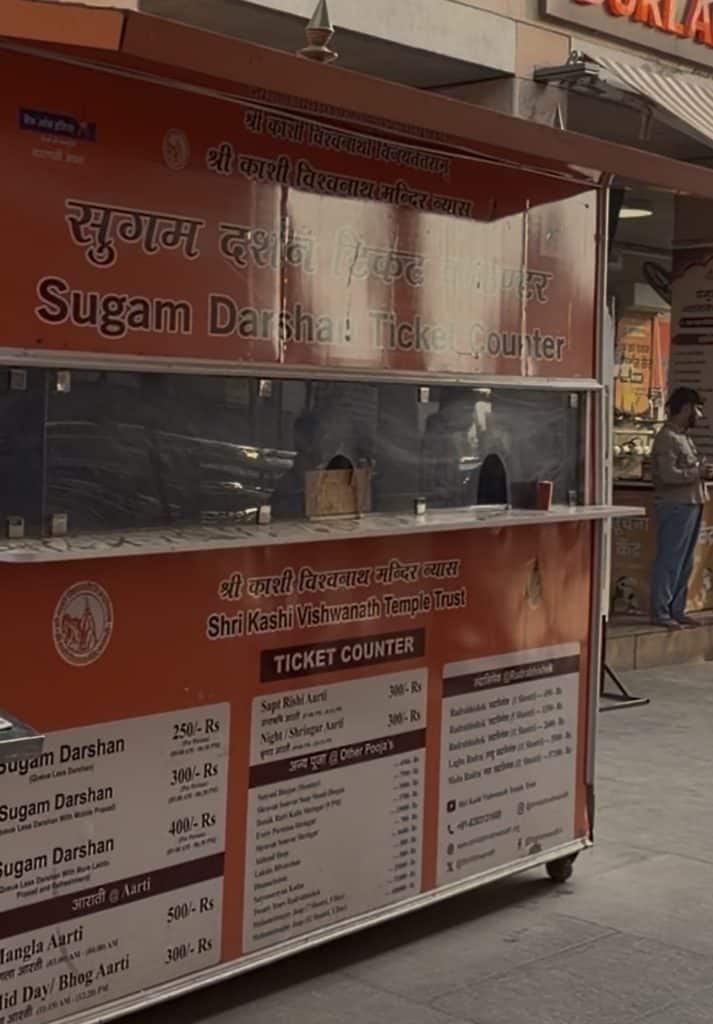
The situation at Kashi Vishwanath Temple is slightly different. Here, middlemen often claim that Sugam Darshan tickets are sold out and that they can arrange them for you. They will also offer to send a small pandit ji or pujari inside with you to help you navigate the temple and perform the rituals.
The truth is that you do not need these middlemen to enter either temple.
At Kashi Vishwanath Temple, you will find official counters at the entry gates where you can purchase Sugam Darshan tickets yourself. You do not need someone to arrange these tickets for you. You also do not need to take an accompanying pandit ji inside unless you specifically want someone to perform additional rituals. These people often return after the darshan and demand a hefty dakshina for their services.
Here are a few ways to avoid unnecessary expenses:
- Reach early: Visit Kaal Bhairav first, followed by Kashi Vishwanath. Reaching around 4:30–5 AM is an excellent way to avoid the usual crowds.
- Use the Ganga Aarti window: During the Dashashwamedh Ghat Ganga Aarti, many devotees and tourists are at the ghat. This is another excellent time to visit Kashi Vishwanath Temple with fewer people around.
- Visit late at night: After 9:30 PM, the crowds are usually much thinner.
- Book special aartis officially: If you want to attend Mangala Aarti or any other special aarti, book directly through the official Kashi Vishwanath Temple website.
You can easily visit these temples and have a fulfilling darshan without paying a middleman. Only approach someone for assistance if you genuinely want additional rituals or services. Remember that every middleman adds their own commission to your overall cost.
Note: Don’t let these scams scare you into thinking that Varanasi isn’t worth your time. A trip to Varanasi can be the most memorable trip of your life.
Read my guide packed with 7 tips to make your Varanasi trip truly magical.
2. Tilak and Dhaaga Scams
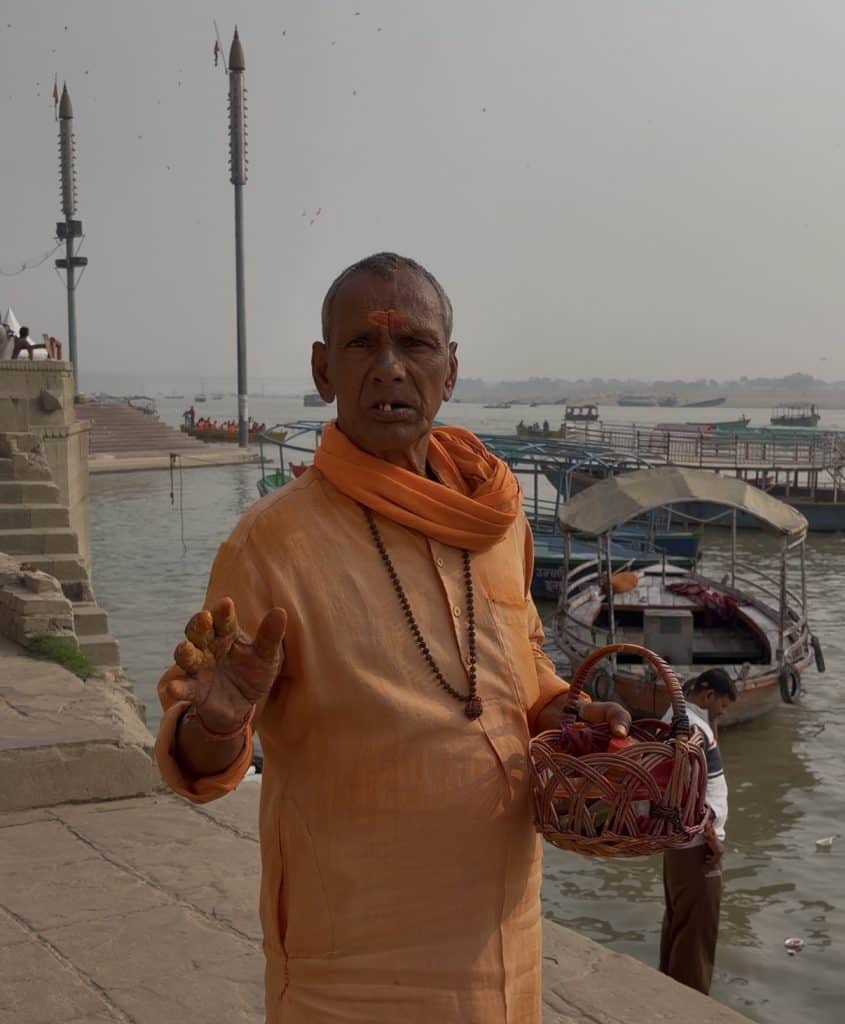
If you walk around the ghats or visit the temples in Varanasi, you will come across several people offering to apply a tilak on your forehead or tie a sacred dhaaga (thread) around your wrist.
While these practices are common at religious places, the problem starts when you are not told that the service comes at a price.
Someone might approach you with a smile, apply a tilak or tie a dhaaga without asking for your permission and then demand money. Since you are already wearing the tilak or dhaaga, refusing to pay can feel awkward. Some people even use religious sentiments to make you feel guilty about not paying.
The simplest way to avoid this is to never allow anyone to apply a tilak or tie a dhaaga unless you have agreed on the price beforehand.
If you genuinely want to participate in these rituals, ask how much they charge before accepting the service. If someone approaches you without your permission, politely refuse and keep walking. You are not obligated to pay for something you never asked for.
3. Overpriced Aarti Seats at Dashashwamedh Ghat
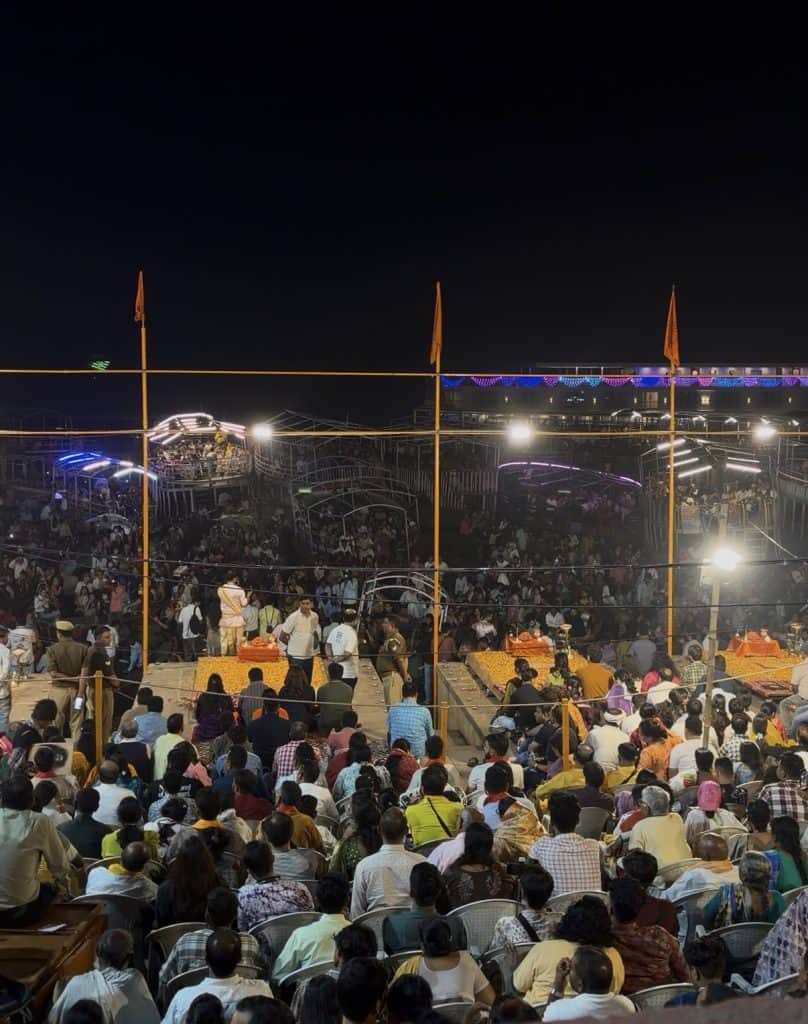
The Ganga Aarti at Dashashwamedh Ghat is one of the most popular experiences in Varanasi. Thousands of people gather every evening to watch the elaborate ritual, and getting a good viewing spot can be difficult, especially during weekends and peak tourist season.
Naturally, this creates an opportunity for middlemen to sell you what they call special or VIP seating.
People will approach you and promise front-row seats, reserved places or exclusive access to viewing areas. Some will claim that the ghat is already full and that you will not get a decent view unless you pay them
Do not rush into accepting these offers.
Understand that the chairs put behind the Ganga Aarti platform are free for people and anybody can sit there on a first-come basis. You do not need to pay anyone for those seats. Just reach about 2 hours before the scheduled Ganga Aarti time (typically 6 pm in winters and 7 pm in summers).
Similarly, the ghaat area offering a closer sideview is also free. Any person who claims ‘ownership’ to that spot and tries to monetize it is also scamming you.
The only paid spots to watch the Ganga Aarti are the ones from the cafés and shops around and from the boats lined on the front side of the Ganga Aarti.
Even with these paid spots, bargain heavily. Before you make any payment, actually sit where you are told you can and check if your view is clear and unobstructed and will remain so for the entire duration of the Aarti. This is particularly important, if you plan to see the Ganga Aarti from the boats. A few spots sold on the boat ahead of you can mean you watch the entire aarti, with bobbing heads blocking your view for a fee that feels completely unjustified.
4. Boat Ride Duration, Distance and Per Person Charges
A boat ride on the Ganga is one of the experiences you simply cannot miss in Varanasi. Whether you want to watch the sunrise, explore the ghats or see the evening Ganga Aarti from the river, a boat ride is an excellent way to experience the city.
However, this is also one of the easiest ways to get overcharged.
The first thing you need to understand is that boat operators quote prices in different ways. Some charge per boat, while others charge per person. Some offer a fixed-duration ride, while others quote prices based on the distance covered.
This is where misunderstandings begin.
You might agree to pay ₹500 thinking that it is the price for the entire boat, only to discover later that the operator meant ₹500 per person. Similarly, you might agree on a one-hour boat ride, only to be brought back much earlier than expected.
Before getting into a boat, clarify these four things:
- Total price: Is the quoted amount for the entire boat or per person?
- Duration: What is the exact duration of the boatride and does it start from the point when you get inside the boat or includes the time required to get the boat to the ghaat for you to board it?
- Route: Which ghats will the boat cover, and how far will it go?
- Return point: Will the boat bring you back to the same ghat from where you boarded?
- Tip – Will you be asked for a tip in addition to the agreed price?
Do not settle for vague answers such as a long ride or a complete ghat tour. Ask for a clear duration and route.
A little clarity before boarding will save you from an unpleasant surprise later.
5. Rickshaws Dropping You Much Earlier Than Your Destination
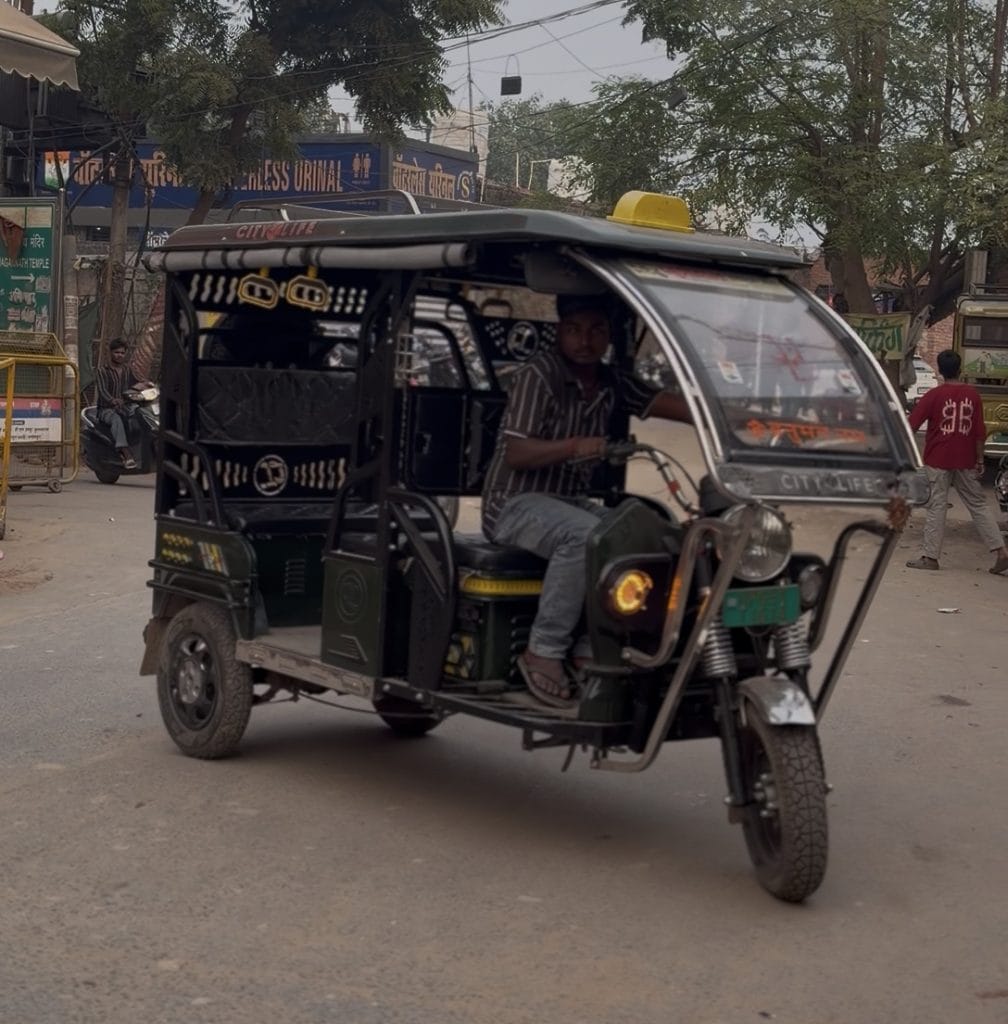
During my time in Varanasi, I took several rickshaw rides. I used regular rickshaws, e-rickshaws and even Rapido. And one of the most common problems I encountered was drivers dropping passengers hundreds of metres before their actual destination.
Sometimes, they would stop 500–750 metres away. On a few occasions, they stopped almost a kilometre before the drop-off point.
The explanation was almost always the same. They would tell you that the road ahead was blocked, that vehicles were not allowed beyond that point and that everyone had to walk from there.
Now, there is some truth to this. Several roads around Kashi Vishwanath Temple and Dashashwamedh Ghat are cordoned off, especially around the evening Ganga Aarti. There are also narrow lanes where rickshaws simply cannot enter.
However, drivers sometimes use this as an excuse to avoid entering crowded gullies or taking passengers all the way to their destination. Instead, they drop you much earlier and look for their next customer.
The problem is that you end up paying the full fare despite having to walk a considerable distance.
Here is what you should do:
- Confirm the drop-off point: Before getting into the rickshaw, ask whether the driver will take you right up to your destination or drop you somewhere along the way.
- Fix the price accordingly: If the driver cannot take you all the way, negotiate a lower fare.
- Check Rapido trips: If you are using Rapido and the driver refuses to complete the ride without a genuine reason, report the issue through the app.
On a related note, always confirm whether the quoted rickshaw fare is for the entire ride or per person. Some drivers will happily quote a price that you assume is for the whole trip, only to demand the same amount from every passenger when you reach your destination.
Ask this question before you board. It takes five seconds and saves you from a very unpleasant surprise.
6. Sadhus Posing for Photographs and Demanding Money
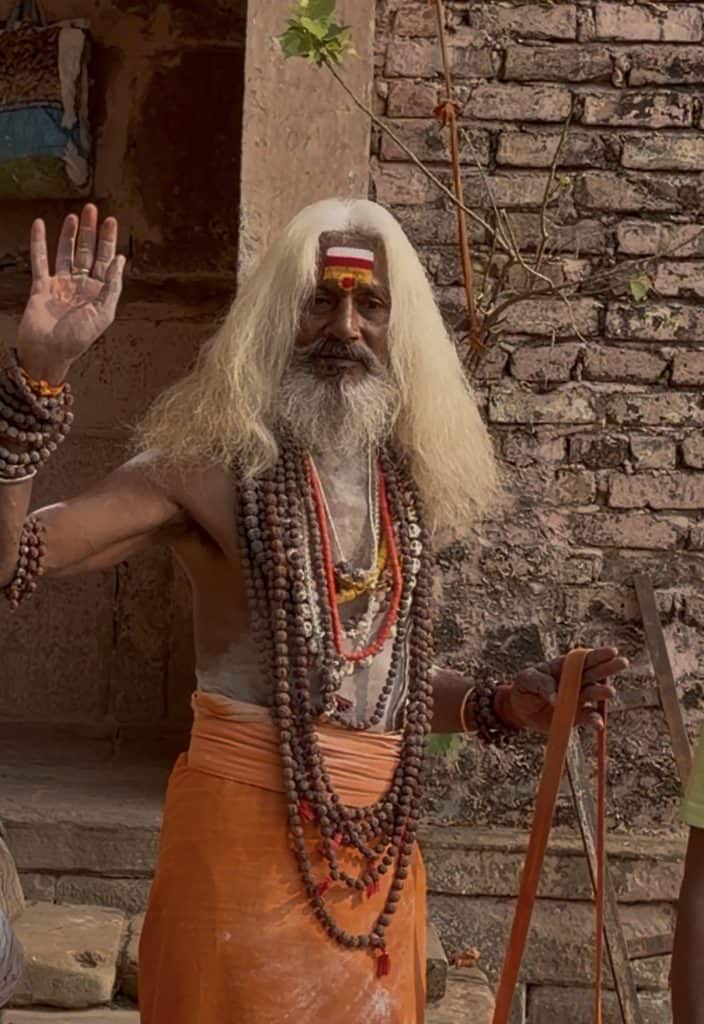
You will find sadhus all over Varanasi, especially around the ghats and popular tourist areas. Their appearance, traditional clothing and distinctive way of life make them an interesting part of the city’s visual landscape.
However, not everyone dressed as a sadhu is an actual sadhu. Several people dress up specifically to attract tourists and earn money by posing for photographs.
You might see someone sitting peacefully with their rudraksha beads, ash-covered body and traditional attire. The moment you point your camera towards them, they might start demanding money.
Some will happily pose for several photographs and then ask for a hefty fee. Others will approach you directly and offer to pose for your Instagram pictures.
What makes this particularly uncomfortable is that some people use religious sentiments to pressure tourists into paying. If you refuse, they might threaten to curse you if you do not pay.
Do not let such threats get inside your head.
If you want to photograph a sadhu, take pictures from a distance without disturbing them. If someone is offering to pose specifically for your photographs, agree on the price before clicking even a single picture.
And if you are not comfortable paying someone to pose, simply move on. You do not owe anyone money for refusing a service.
7. Pooja Thali and Locker Scams
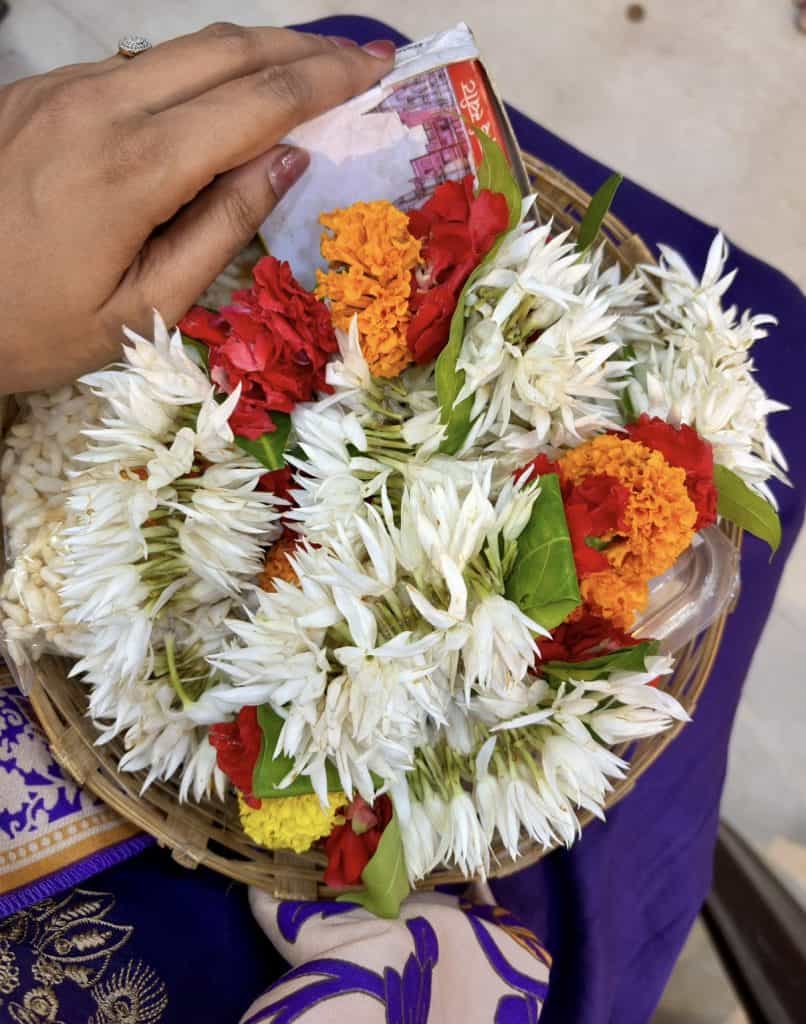
This is one of the more frustrating tricks you will encounter in the lanes leading to Kashi Vishwanath Temple and Kaal Bhairav Temple.
As you approach the temple, several shopkeepers will tell you that you cannot carry your belongings inside.
While power banks, and big backpacks are genuinely prohibitted inside the temple, these shopkeepers use this information to push you into depositing your belongings at their shops.
They will tell you that their lockers are free and that you only need to purchase a pooja thali from them.
And this is where the problem begins.
The prices of these pooja thalis are not standard. Different shopkeepers quote different amounts, and some charge ridiculously high prices. Worse, once you have deposited your belongings and removed your footwear, you are in a difficult position to refuse their demands.
You might end up paying several times the actual price of a basic pooja thali simply because you have already handed over your belongings.
Here is what I recommend:
- Use the authorised temple lockers wherever available – especially if you are only carrying a small bag with a phone or chargers and smartwatch.
- Use authorised government lockers for bigger backpacks or small bags with powerbanks available close to most official gates. The government locker facility near Gate No. 2 was particularly convenient during my visit.
- If you still want to use a shopkeeper’s locker and footwear storage service, agree on the pooja thali price before depositing anything.
8. Fake Banarasi Silk Sold at Original Silk Prices
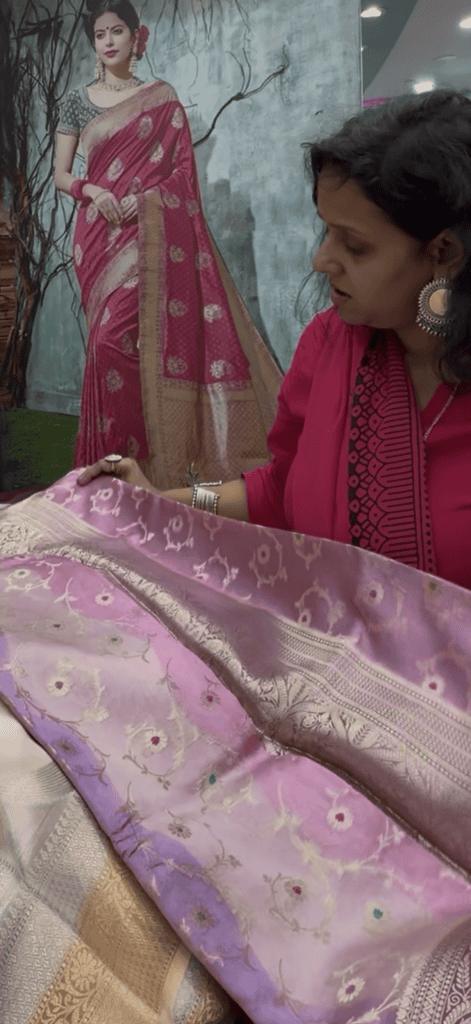
Shopping for a Banarasi saree is high on the list for many visitors to Varanasi. After all, the city is famous for its beautiful silk sarees and traditional weaving.
Unfortunately, this is also where you need to be extremely careful.
Several drivers and rickshaw drivers will recommend specific saree shops, especially around the Chaukaghat area. These recommendations are often driven by the commissions that shopkeepers offer for bringing in customers.
The problem is that some of these shops have extremely poor customer reviews, with buyers complaining that sarees sold to them as original silk turned out to be fake or inferior-quality fabric. In many cases, customers discover the truth only after returning home.
Here is how you can protect yourself:
1. Check Google reviews before entering a shop.
If a driver or rickshaw driver recommends a particular shop, do not blindly trust the recommendation. Search for the shop on Google and read the recent reviews. Pay particular attention to complaints about silk quality, pricing and misleading claims.
2. Do not fall for the burn test sales pitch.
Some shopkeepers will confidently tell you that their silk is original and that you can even test it by burning a thread. If they make this claim, ask them to demonstrate the test inside the shop rather than asking you to trust their word.
Watch how they respond. A seller who is genuinely confident about the product should have no reason to panic when asked to demonstrate a test they themselves suggested.
Remember that a burn test alone is not a foolproof way to establish the authenticity of an expensive saree. Always ask for proper details about the fabric and its certification.
3. Check the quality of alternative colours.
This is something many buyers overlook. You might like a particular saree design and ask the shopkeeper to show you the same design in different colours.
However, the quality of the fabric can change between colours and variations. Do not assume that every saree shown to you under the same design has the same quality.
Check each piece carefully before making a purchase.
Most importantly, do not let the excitement of buying a Banarasi saree push you into making a rushed decision. Take your time and compare your options.
9. Shops Pretending to Be Original Manufacturers and Weavers
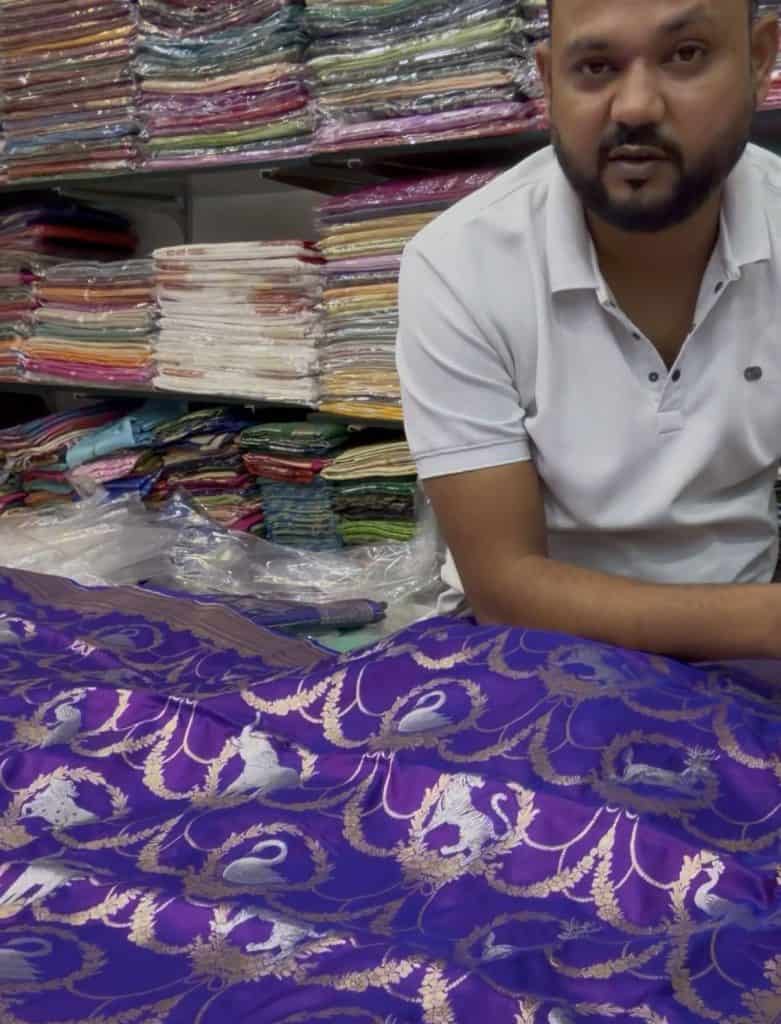
This is closely related to the previous point, but it is a different problem altogether.
Walk into almost any saree shop in Varanasi and there is a good chance the shopkeeper will tell you that they are manufacturers, wholesalers or factory outlets.
They will claim that they do not work like regular retailers and that their prices are much lower because they sell directly from the source.
Some will even tell you that the big showrooms charge much more for the exact same sarees because of their fancy interiors, branding and retail margins.
While genuine manufacturers and weavers do exist, not every shop making these claims is actually one.
Many are simply resellers and retailers who purchase sarees from manufacturers or weaving units and sell them at a markup. Calling themselves manufacturers does not automatically make their prices cheaper.
So, how do you avoid paying a premium to someone pretending to sell directly from the source?
- Ask to see the factory or weaving unit: If someone claims to be a manufacturer, ask whether you can visit their production unit.
- Ask where the sarees are made: Some sellers outsource their production to weavers in nearby villages. Ask them for details rather than accepting vague claims.
- Never buy from the first shop: Visit multiple shops and compare prices before making a decision.
- Explore different areas: Do not restrict your shopping to the most popular markets or fancy showrooms.
- Look beyond appearances: A less fancy shop is not automatically inferior. In fact, some smaller shops offer better prices and way better quality of silk because they spend less on expensive interiors and marketing.
The key is to compare prices and quality rather than trusting labels such as wholesale, factory outlet or direct manufacturer.
10. Annadanam and Donation Scams
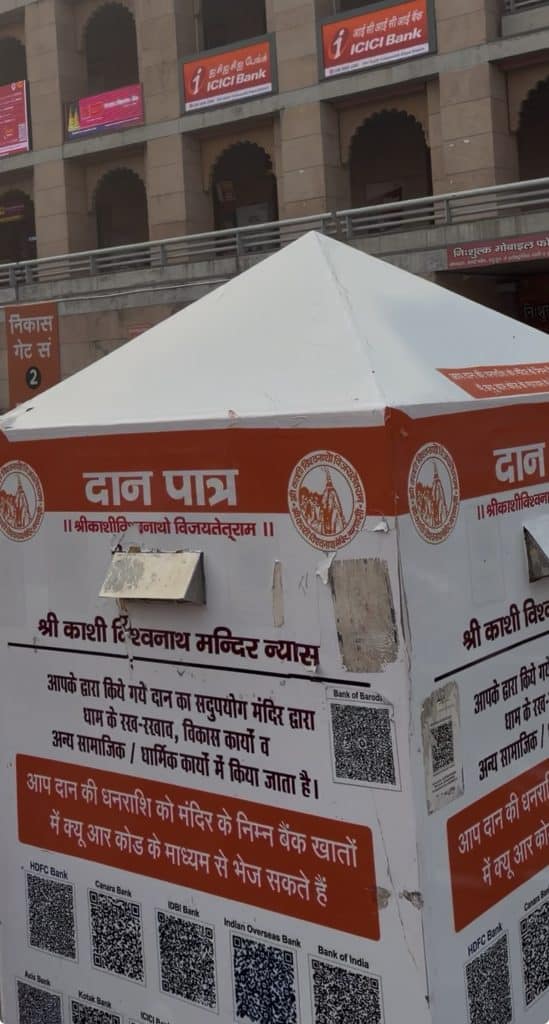
This is honestly not a scam that is unique to Varanasi. I have seen similar practices at religious places across different religions and parts of the world.
The approach is usually simple.
Someone approaches you and tells you that you are extremely lucky to be visiting the temple during an auspicious period when Annadanam (food donation) is taking place.
They might tell you that the donation will be used to feed underprivileged children, sadhus, pujaris or devotees visiting the temple.
Sometimes, they will even tell you that this is a special occasion that happens only once a year. You are then encouraged to contribute a certain amount towards the activity.
The problem is that you have no way of knowing whether the person collecting the money is genuinely associated with the temple or organisation they claim to represent.
Some people use religious sentiments, guilt and the excitement of visiting a holy place to persuade tourists into making donations.
My advice is simple: Never make donations to random individuals who approach you inside or outside a temple.
If you genuinely want to contribute towards Annadanam or any other charitable activity, donate directly to a registered organisation. Make sure that you receive an official receipt and know exactly where your money is going.
Do not feel pressured into donating just because someone tells you that the occasion is auspicious or that you will miss a once-in-a-year opportunity.
Giving is a personal choice. Nobody should use your religious beliefs or emotions to force you into making a payment.
Final Thoughts
While the previous scams are specific to different experiences in Varanasi, there is one common thread that connects almost all of them.
Someone approaches you with an offer that sounds convenient. They tell you that they can save you time, help you avoid a queue, get you a better deal or arrange something that you cannot manage on your own.
And before you realise it, you have agreed to pay for a service without knowing its actual cost or what it includes.
This is why I strongly recommend following a few basic rules throughout your Varanasi trip:
- Always ask for the total price before accepting any service.
- Confirm whether the price is per person or for the entire group.
- Do not rely on recommendations from drivers and rickshaw drivers without checking them independently.
- Use official temple counters, authorised lockers and verified booking channels.
- Never feel pressured to buy something simply because someone has already started performing a service.
- Walk away if someone refuses to give you a clear answer about the price or service.
Varanasi is a wonderful city, but it is also a busy tourist destination where several people have found ways to monetise the experience of unsuspecting visitors.
Being aware of these practices does not mean you need to approach every interaction with suspicion. It simply means you should know when someone is genuinely helping you and when they are trying to make an easy buck at your expense.
My biggest advice is to take your time, ask questions and never let anyone rush you into making a payment. You are in Varanasi to experience one of India’s most fascinating cities. Do not let a few unnecessary expenses and frustrating encounters take away from that experience.